Non-Surgical

Treatment

What is Diabetic
Macular Edema (DME)

Non-Surgical

Treatment

What is Diabetic
Macular Edema (DME)

What is Diabetic Macular Edema (DME)

People living with diabetes who have high blood sugar (glucose) levels over a long period of time are at risk of getting DME.

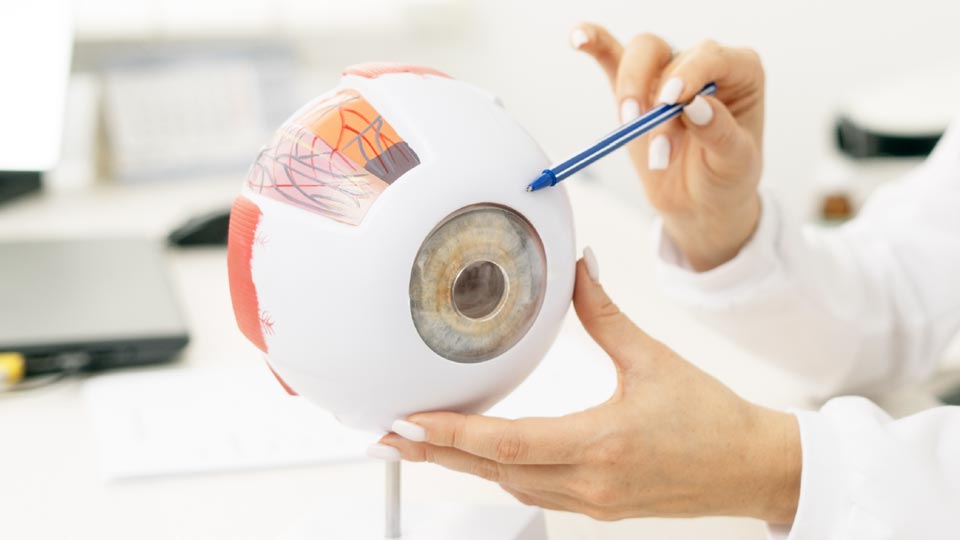
DME is when the blood vessels in the retina (the light sensitive layer at the back of the eye) are damaged which can leak fluid into the eye causing swelling in the macula (the central part of the retina) and vision loss.

DME is the leading cause of vision loss in people living with diabetes.

The retina is the back layer inside the eye that records the images we see – and sends them to the brain.

The macula is the central part of the retina, responsible for our sharpest vision. This is used to read, drive a car, recognise faces or colours, and see objects in fine detail.


Healthy Eye

Eye Affected by DME

There are 2 types of proteins in the eye that cause swelling. VEGF and Ang-2 are 2 proteins that can lead to vision loss in people with DME. These proteins allow the formation of abnormal and weakened blood vessels that can grow and leak fluid.

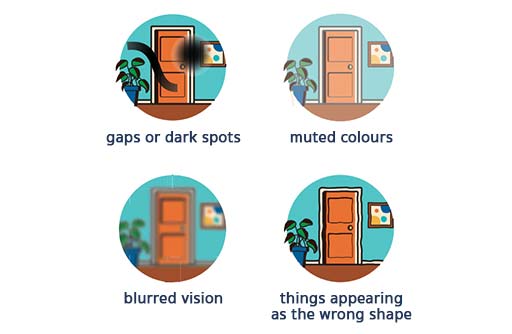
Symptoms may included:

  • Gaps or dark spots may appear in your vision
  • Colours might appear dull or faded
  • Blurry or distorted vision – such as straight lines appearing wavy
  • Objects appearing as the wrong shape or size
  • Seeing in bright or glaring light may be difficult
  • Reading or driving may be difficult

Treatment and Additional Recommendation

Treatments for DME

Reducing patients’ risk factors through lifestyle modification significantly impacts treatment outcomes. There are various treatment options that ophthalmologists will consider for each individual patient:

  • Intravitreal Injection: In cases of macular edema or vitreous hemorrhage, the patient should receive this treatment to prevent abnormal blood vessel growth. Most of these treatments block one pathway at VEGF (Anti-VEGF), while the latest treatments act through the inhibition of two pathways (Anti Ang-2/VEGF) to improve outcomes.
  • Laser: Laser therapy can slow disease progression and reduce vision loss in cases of neovascularization risk. In some cases, it can also help reduce macular edema.
  • Surgery: Surgical may be considered in some cases such as vitreous hemorrhage, retinal fibrosis, or retinal detachment.
Dietary and Supplements which may Beneficial
  • Zinc is found in meat, liver and oysters etc. The recommended amount is 30–100 milligrams per day.
  • Vitamin C is found in vegetables and fruits high in vitamin C, such as oranges, tomatoes and lemons etc. The recommended amount is 1000 milligrams per day.
  • Lutein and Zeaxanthin are found in spinach, egg yolks and corn etc. The recommended amount is 6 milligrams of lutein and 0.5 milligrams of zeaxanthin per day.
  • Omega 3 is found in marine fish, such as salmon, tuna and mackerel etc. The recommended amount is 1 gram per day.

Consult your doctor about which supplement, if any, is right for you, especially if you have underlying health conditions.

Lifestyle Modification
  • Control blood sugar, blood pressure and blood lipid levels to remain within normal ranges
  • Avoid smoking and alcoholic beverages
  • Exercise regularly