
Intravitreal(Anti-VEGF) Injection for RVO
Intravitreal(Anti-VEGF) Injection for RVO

Intravitreal (Anti-VEGF) Injection for RVO
What is Macular Edema Secondary to Central Retinal Vein Occlusion (CRVO)?
RVO is a chronic retinal vascular disorder that can lead to vision loss and patients usually do not experience eye pain.
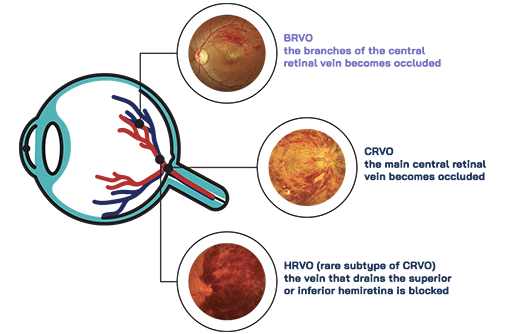
RVO typically occurs unilaterally. CRVO occurs when the main central retinal vein, which drains blood from the eye, becomes occluded.
RVO restricts blood in the retina, leading to bleeding and fluid leakage in the back of the eye, which results in swelling in the macula.
The retina is the back layer inside the eye that records the images we see — and sends them to the brain.
The macula is the central part of the retina, responsible for our sharpest vision. This is used to read, drive a car, recognise faces or colours, and see objects in fine detail.
Healthy Eye

Eye Affected by RVO
There are 2 types of proteins in the eye that cause swelling. VEGF and Ang-2 are 2 proteins that can lead to vision loss in people with RVO. These proteins allow the formation of abnormal and weakened blood vessels that can grow and leak fluid.
Symptoms may included:
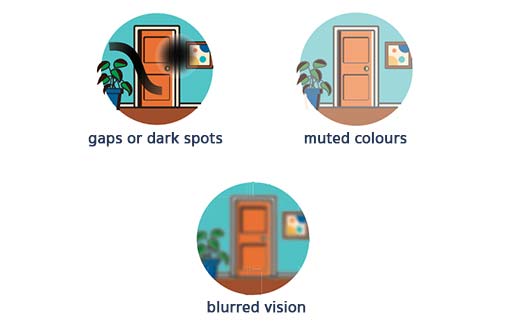
- Sudden blurred vision or partial or total vision loss without eye pain
- Gaps or dark spots may appear in your vision
- Colours might appear dull or faded
- Blurry or distorted vision – such as straight lines appearing wavy
- Reading or driving may be difficult
Treatment and Additional Recommendation
Treatments for RVO
- Intravitreal Injection help prevent abnormal blood vessel growth. Most of these treatments block one pathway at VEGF (Anti-VEGF), while the latest treatments act through the inhibition of two pathways (Anti Ang-2/VEGF) to improve outcomes.
- Corticosteroid to reduce swelling and inflammation
Dietary and Supplements which may Beneficial
- Folic acid (L-Methylfolate) is found in egg yolks, liver, green vegetables and pumpkin etc. The recommended amount is 900 micrograms per day.
- Vitamin D3 is found in egg yolks, salmon, tuna, tilapia and shiitake mushroom etc. The recommended amount is 800–1500 IU per day.
- Vitamin E is found in cereal oil, corn and soybean etc. The recommended amount is 7.5 IU per day.
- Lutein and Zeaxanthin are found in spinach, egg yolks and corn etc. The recommended amount is 3.35 milligrams of lutein and 0.7 milligrams of zeaxanthin per day.
Consult your doctor about which supplement, if any, is right for you, especially if you have underlying health conditions.
Lifestyle Modification
- Limit high-fat foods, reduce sodium intake and avoid processed foods
- Exercise regularly
- Maintain a healthy weight
- Avoid smoking
